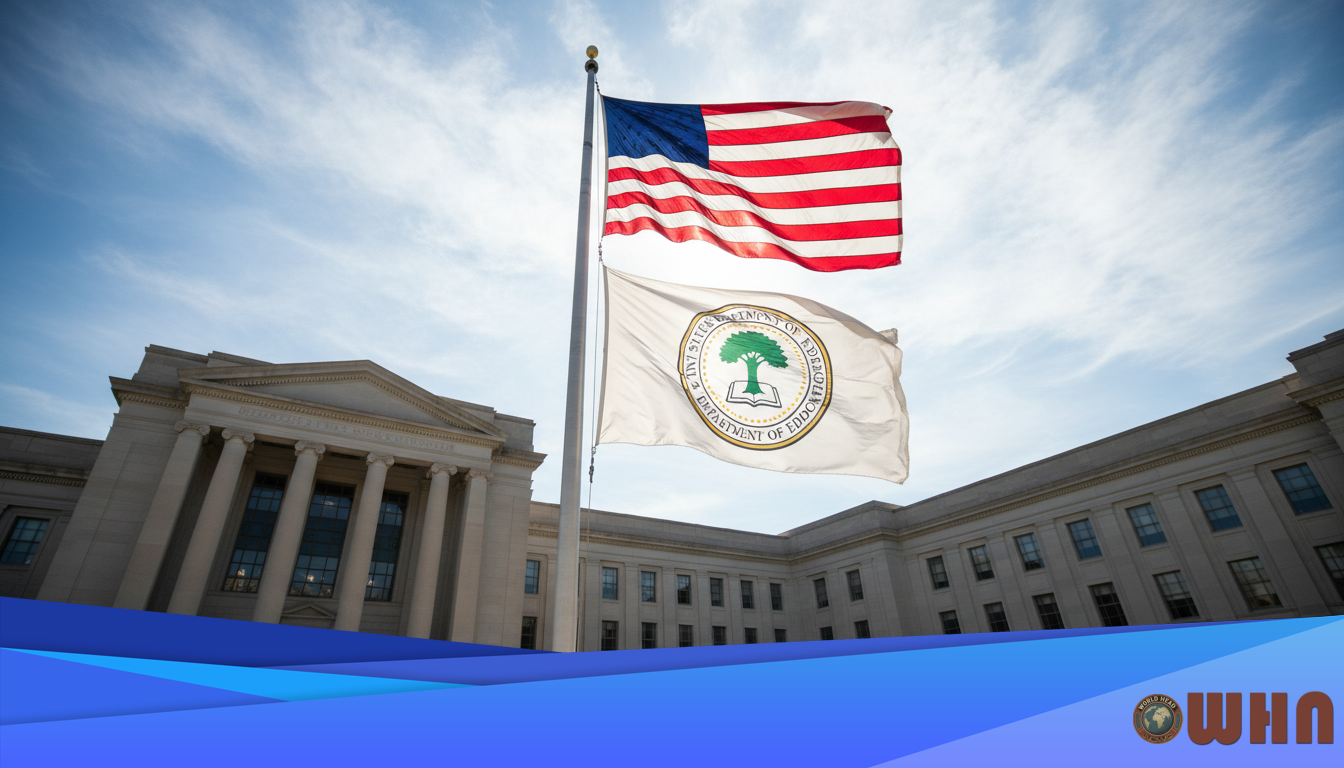
Ed. Dept. Seeks Delay on Borrower Defense Rule
Here we go again.
The U.S. Department of Education is moving to delay a major rule designed to protect students from predatory colleges. The rule, known as “borrower defense to repayment,” creates a pathway for students who were defrauded or misled by their schools to have their federal student loans canceled. But the Department of Education, in a move that surprised many student advocates, filed a legal motion to postpone the rule’s effective date.
So what is this all about? The borrower defense rule is essentially a consumer protection regulation for the student loan ecosystem. It sets up a clear, federal standard for loan forgiveness when a college is found to have engaged in misconduct, such as lying about job placement rates or program accreditation. The regulation was finalized after the high-profile collapses of for-profit college chains like Corinthian Colleges and ITT Technical Institute, which left tens of thousands of students with huge debts and degrees that were functionally useless.
The Department’s rationale for the delay is procedural. According to court filings, the Department claims it needs more time to “review the substantial and complex issues” and that implementing the rule as scheduled would be disruptive. The agency argued that pushing forward would create a confusing legal environment, especially with pending litigation from a group representing for-profit institutions.




The core of the Department’s argument is that the existing rule is unworkable and needs a total reset, not just a minor tweak.
This isn’t just about paperwork. The delay has real-world consequences. Thousands of students have already submitted borrower defense claims, many of whom have been waiting years for a decision. For them, this delay means their financial lives remain on hold. Their loan payments, which were supposed to be paused while their claims were processed, are now in a state of uncertainty. This directly impacts their ability to get a mortgage, a car loan, or simply move on from an educational experience they feel cheated them.
Predictably, the reaction was swift. Student advocacy groups and consumer watchdogs are framing this as a major retreat from student protection. The Project on Predatory Student Lending, which represents defrauded students, called the Department’s action a “betrayal” of its responsibility to borrowers. Their argument is simple: the rules were created over a long period with significant public input, and hitting the pause button now only benefits the for-profit college industry, which has long opposed stricter accountability.
The legal mechanism the Department is using is a request to hold the rule in “abeyance,” a fancy term for putting it on ice while they reconsider the entire framework. This move, however, comes with its own baggage. It signals that the current administration may favor a different approach, one potentially less generous to students and more accommodating to the schools. The for-profit education sector, represented by organizations like Career Education Colleges and Universities (CECU), has praised the delay, stating it provides an opportunity to create a “more fair and balanced” process.
But for parents and educators, the message is one of instability. The promise of a clear federal backstop against institutional fraud is now blurry. It complicates the advice guidance counselors can give to students considering certain vocational or for-profit programs. How can you assure a student that protections are in place when the agency in charge is actively trying to postpone them?
The legal battle is far from over. A federal judge must now decide whether to grant the Department of Education’s request to delay the rule. Opponents, including a coalition of state attorneys general, have already signaled their intent to fight the delay in court, arguing the Department cannot unilaterally abandon a finalized regulation. The outcome will set a major precedent for how student loan protections are managed and enforced.
All eyes are now on the court’s response to the Department’s filing. A decision is expected within the next few weeks.